CARCHITECTURE · VISUAL STORYTELLING
The importance of visual documentation in communicating architectural identity, design intent, and project value
Introduction
Architecture is more than a physical structure. It represents ideas, intentions, and a series of decisions that shape the way people experience a space.
While architectural design brings these ideas into physical form, photography provides a way to communicate them visually. Through carefully considered images, the character of a building, the intention behind its design, and its relationship with the surrounding environment can be presented beyond the physical experience.
In an increasingly visual world, architectural photography plays an important role in how projects are introduced, understood, and remembered. It creates a connection between the built environment and the people who experience it, allowing architectural ideas to reach a wider audience.
Communicating Design Intent
Every architectural project begins with an idea. From the arrangement of spaces to the selection of materials, each design decision contributes to the overall vision of a building.
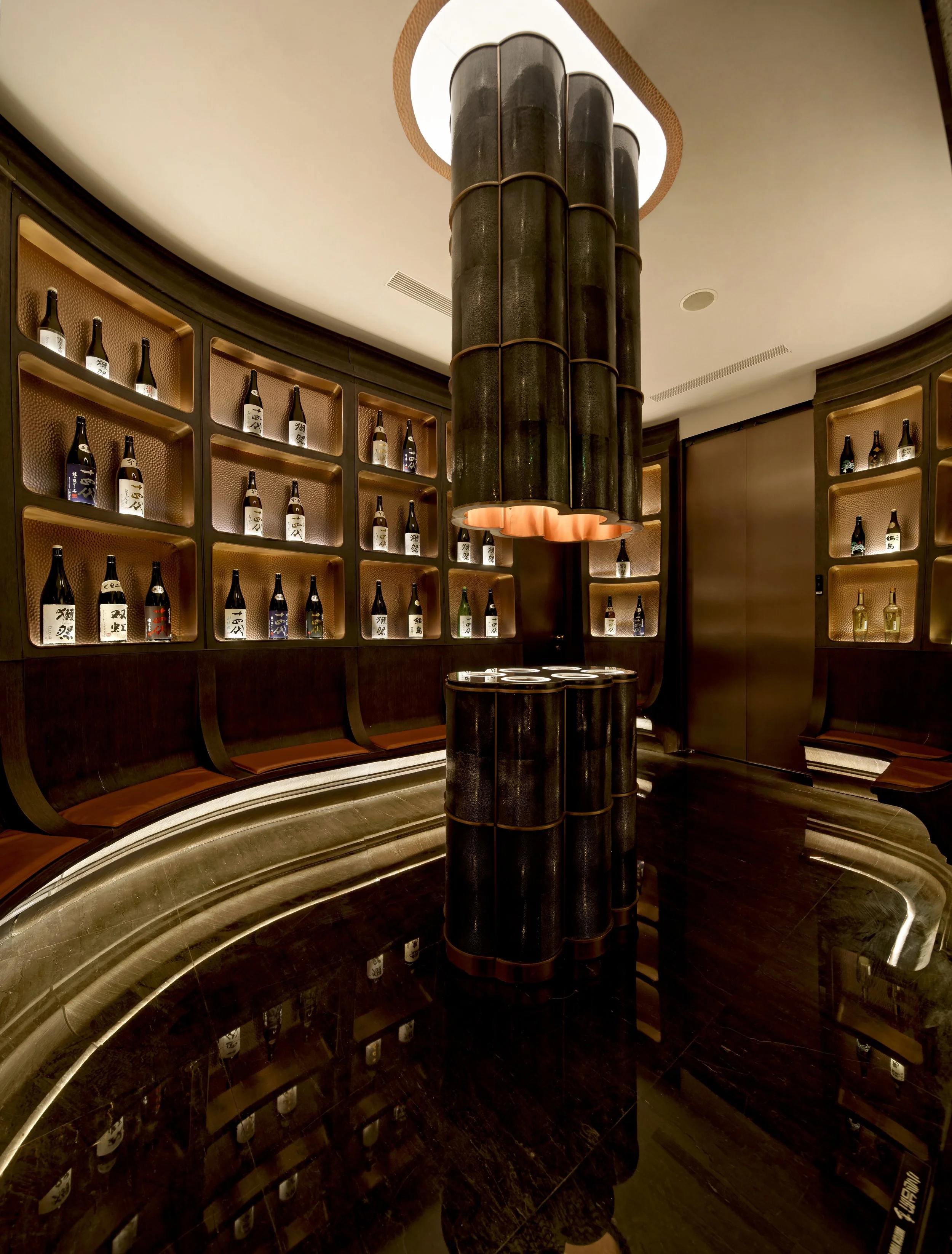
Architectural photography helps translate these intentions into visual language. Through composition, perspective, lighting, and attention to detail, photographs can reveal the qualities that define a design and communicate how its different elements work together.
Beyond showing what a building looks like, effective architectural imagery helps viewers understand why it was designed that way. It brings attention to the relationships between form, function, material, and space.
Building a Project Identity
A building's visual identity is shaped by more than its architectural form. Its atmosphere, surroundings, materials, and spatial character all contribute to how it is perceived.
Photography captures these qualities and creates a visual representation that distinguishes one project from another. Whether documenting a commercial development, residential space, hospitality environment, or industrial facility, each project carries its own identity that deserves to be communicated clearly.
Consistent and thoughtfully produced imagery also helps establish a recognizable visual presence across websites, publications, portfolios, and other communication platforms.
The Value of Visual Documentation
Architectural photography serves as an important form of visual documentation. It preserves the appearance and character of a completed project, creating a reference that can be revisited long after the construction process has ended.
For architects, designers, developers, and property owners, these images become valuable assets for portfolios, presentations, marketing materials, and editorial publications.
Beyond their immediate communication purpose, photographs also contribute to the long-term record of the built environment. They document the relationship between design, context, and time, preserving details that may change as buildings evolve.
Beyond the Finished Structure
The value of architectural photography extends beyond documenting a completed building. It also captures the atmosphere and experience created by the space.
The interaction between natural light and architectural surfaces, the transition between interior and exterior spaces, and the relationship between a building and its surroundings all contribute to how architecture is experienced.
By observing these elements, photography can communicate a more complete understanding of a project. It allows viewers to imagine the experience of moving through a space, appreciating its details, and understanding its place within a wider environment.
In this sense, architectural photography becomes more than visual documentation. It becomes a way of interpreting and sharing the experience of architecture.
Conclusion
Every architectural project has a story shaped by its ideas, design decisions, and the experiences it creates.
Photography gives these stories a visual form, allowing the identity and intention of a project to be communicated beyond its physical presence.
At PROPORSIO, we see architectural photography as an essential part of how architecture is documented and presented. Through a balance of technical precision and creative perspective, we aim to create imagery that captures the character of each project while communicating its value and identity.
Because architecture deserves more than to be seen — it deserves to be understood, experienced, and remembered.