ARCHITECTURE · PHOTOGRAPHY
Capturing more than structures — revealing the stories, details, and identities behind architecture.
Introduction
Architecture is more than the arrangement of forms, materials, and structures. It is an expression of ideas, creativity, and human experience.
Through architectural photography, these expressions are translated into visual narratives. Every line, texture, shadow, and composition contributes to the way a building is perceived and understood.
At PROPORSIO, we believe that architectural photography goes beyond documenting physical spaces. It is about understanding the character of a design and translating its identity into meaningful visual stories.
Beyond Documentation
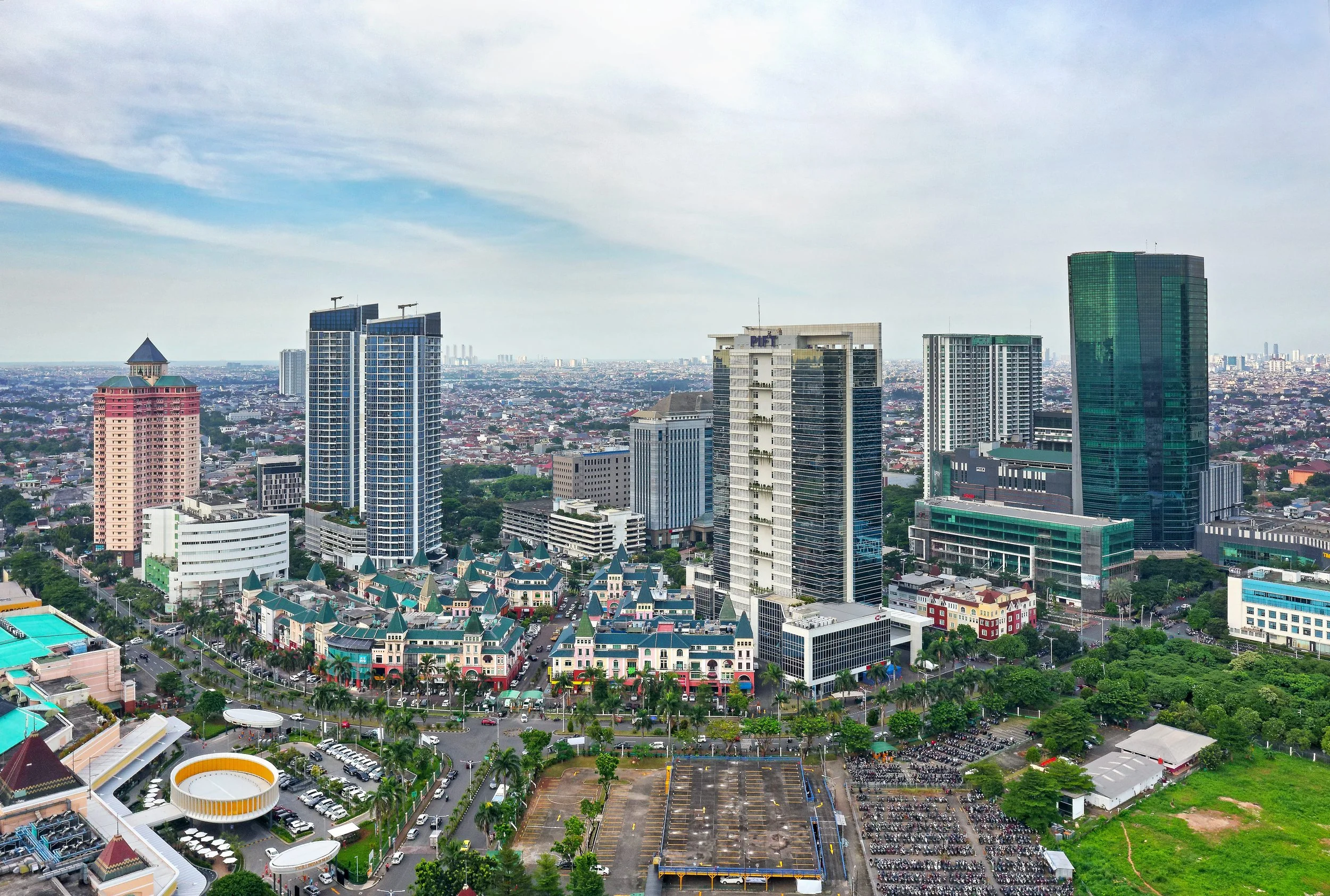
A photograph of architecture should do more than show what a building looks like. It should communicate the intention behind its design.
The relationship between a building and its surroundings, the rhythm of its geometry, and the interaction between solid and void all contribute to its visual identity.
By observing these elements carefully, architectural photography creates a deeper understanding of the spaces and structures it represents.
Beyond its physical appearance, every architectural project carries a story shaped by its purpose, context, and design intention. The way a building interacts with its surroundings, responds to its environment, and accommodates human activity contributes to its overall character.
Through thoughtful observation and precise visual interpretation, photography allows these qualities to become visible, creating images that communicate more than the physical presence of a structure.
The Role of Light and Composition
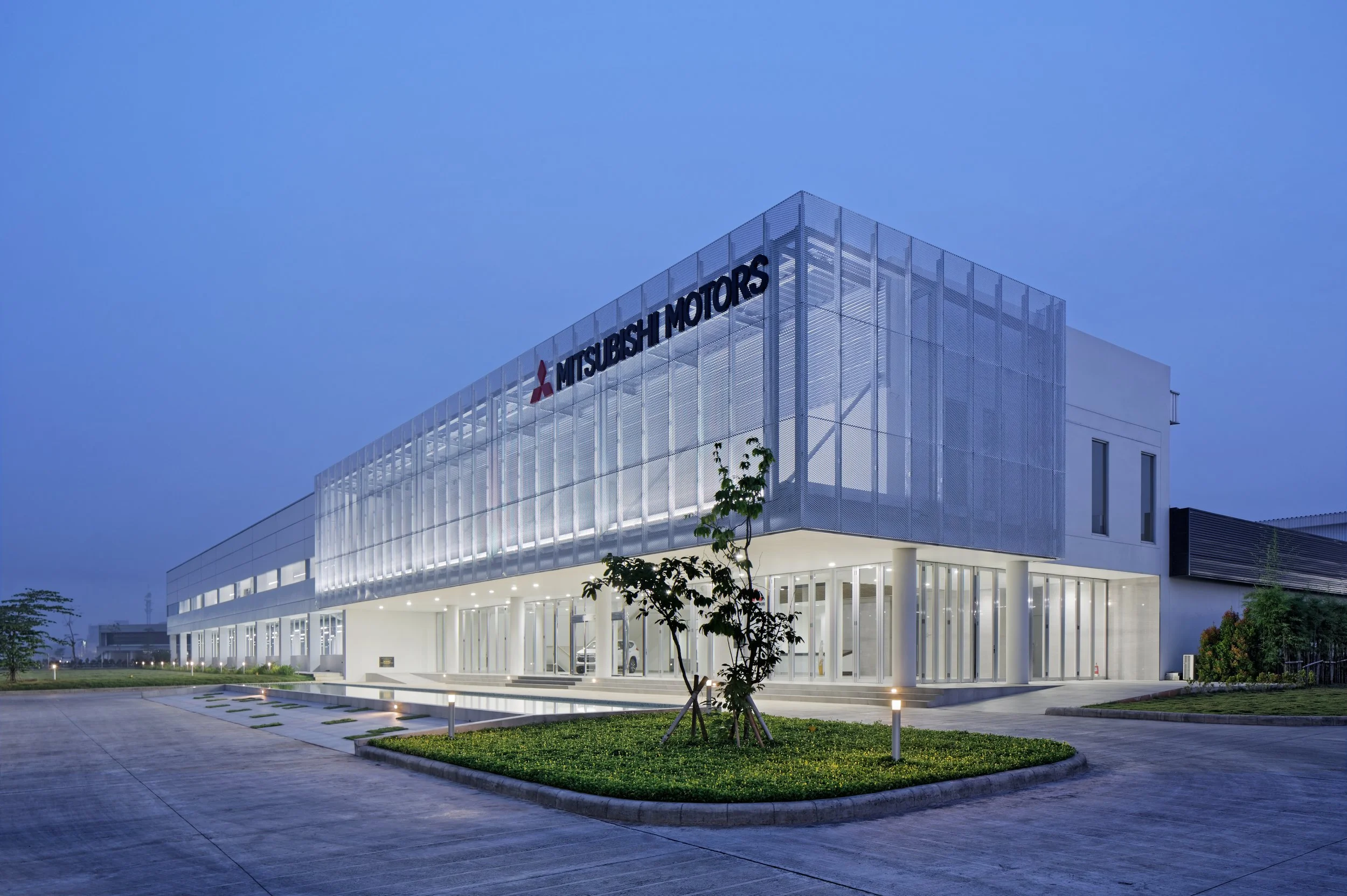
Light is one of the most essential elements in architectural photography. It defines surfaces, reveals textures, creates depth, and transforms the atmosphere of a space.
Natural light, in particular, brings out the character of materials while introducing subtle changes throughout the day.
Composition works alongside light to establish visual balance. Through perspective, framing, and carefully considered angles, architectural elements can be presented in ways that highlight their proportions, relationships, and distinctive qualities.
The direction, intensity, and quality of light can significantly influence how architecture is experienced visually. Morning light may emphasize textures and subtle details, while the softer tones of late afternoon can create depth and atmosphere across architectural surfaces.
Understanding these changing conditions allows photographers to make deliberate decisions about timing, exposure, and perspective, ensuring that each image reflects the intended character of the space.
Capturing Materiality and Details
Every architectural project carries its own material language.
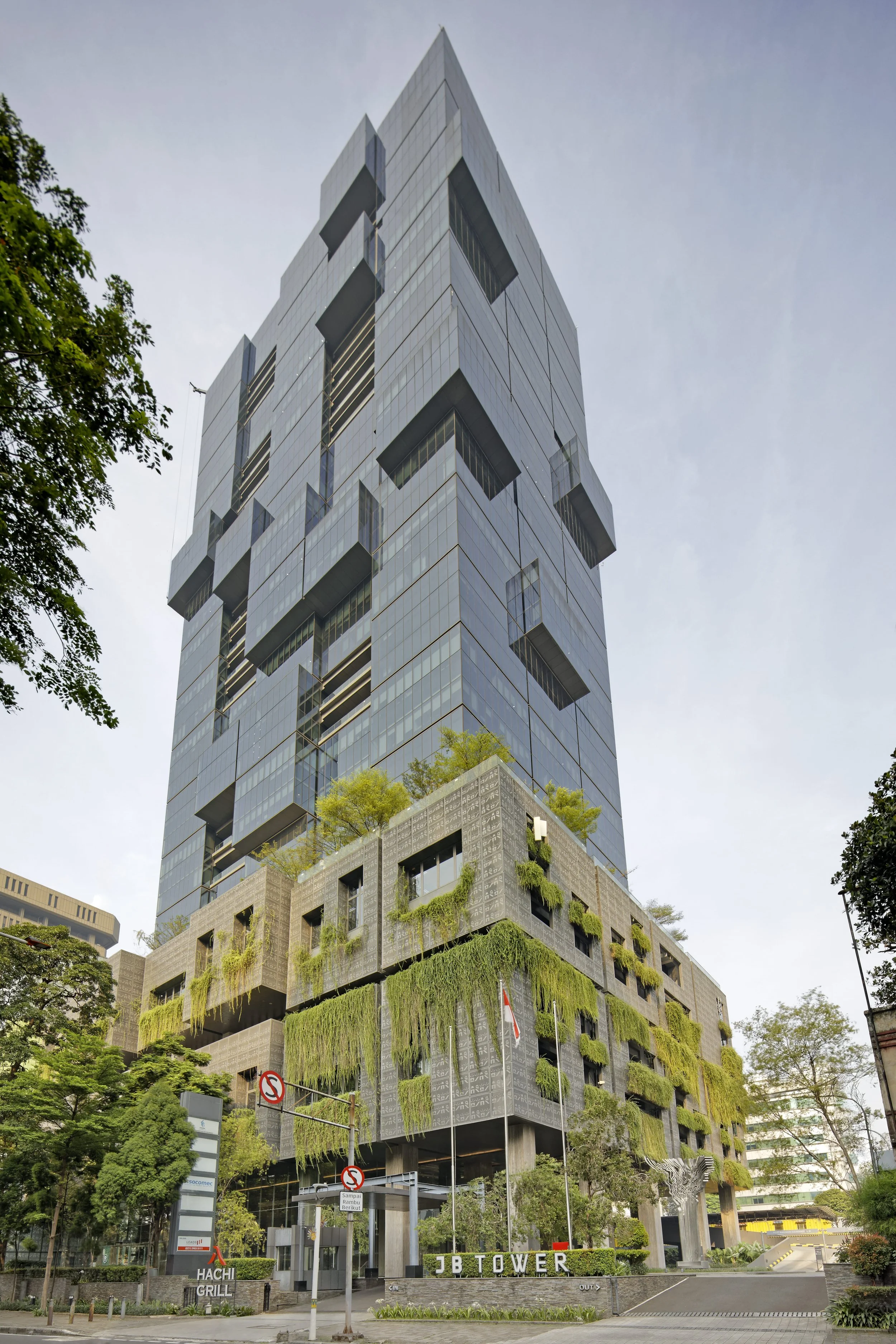
Concrete, glass, steel, wood, and stone each possess different textures and characteristics that contribute to the overall identity of a building.
Photographing these details allows the viewer to appreciate the decisions behind the design. From the larger architectural form to the smallest material expression, every detail plays a role in telling the story of a space.
Beyond the selection of materials, the way they are assembled and experienced contributes to the architectural narrative. The reflection of glass, the grain of timber, the texture of concrete, and the precision of structural connections each reveal aspects of the design that may otherwise go unnoticed.
Careful framing and controlled lighting help translate these characteristics into photographs, allowing viewers to understand and appreciate the craftsmanship behind each project.
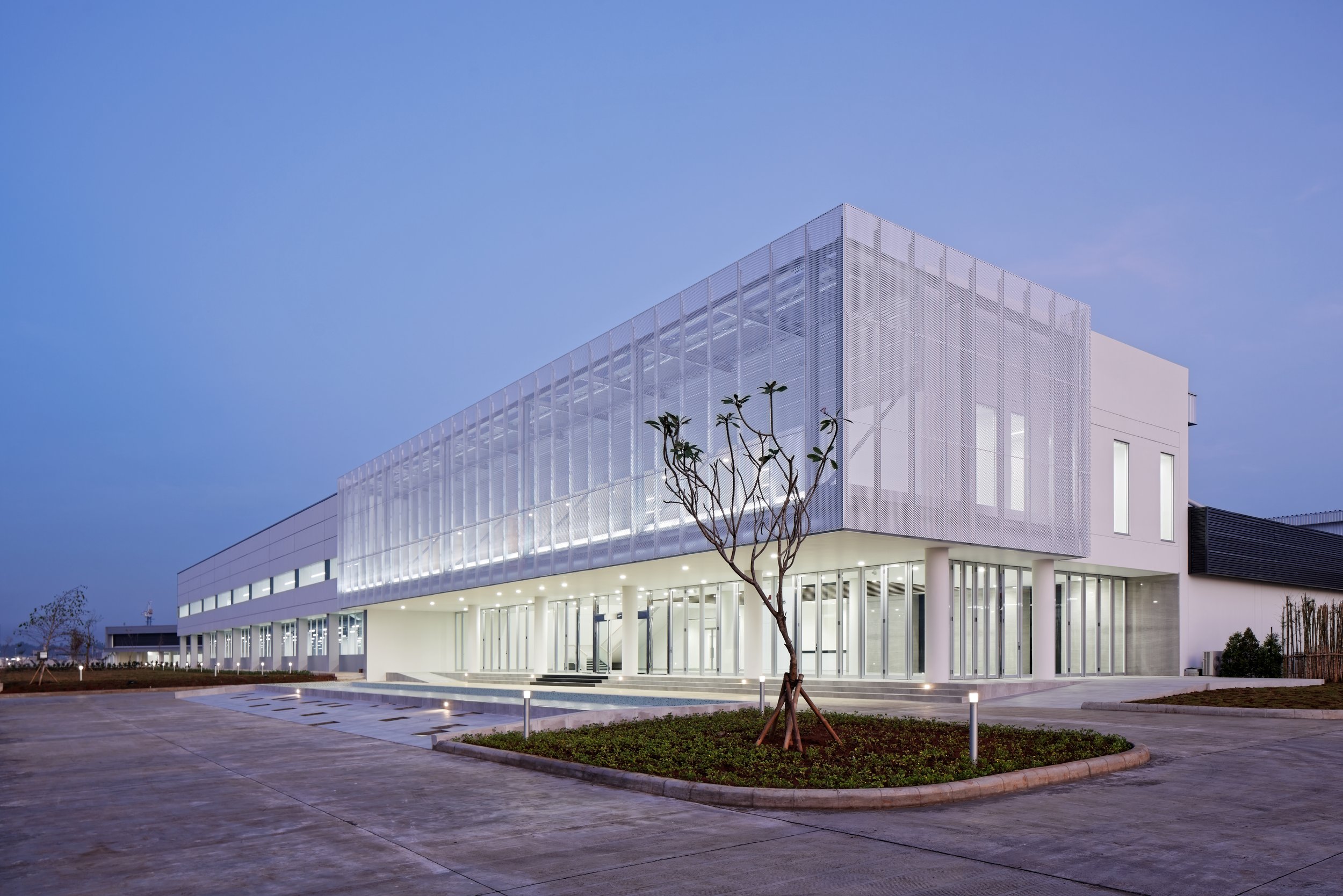
Architecture Through a Visual Perspective
Architectural photography is ultimately an interpretation of space.
It requires an understanding of design, an appreciation of detail, and the ability to recognize the relationship between architecture and its environment.
At PROPORSIO, we approach every project with the intention of capturing more than its physical appearance. We seek to translate architectural ideas, spatial experiences, and design identities into visual narratives that remain meaningful beyond the moment they are photographed.
This perspective extends beyond capturing individual buildings. It involves recognizing how architecture shapes its surroundings, how spaces connect with one another, and how visual elements influence the perception of an environment.
For PROPORSIO, architectural photography is a process of translating these relationships into carefully considered imagery, where technical precision and creative interpretation work together to communicate the identity of each project.
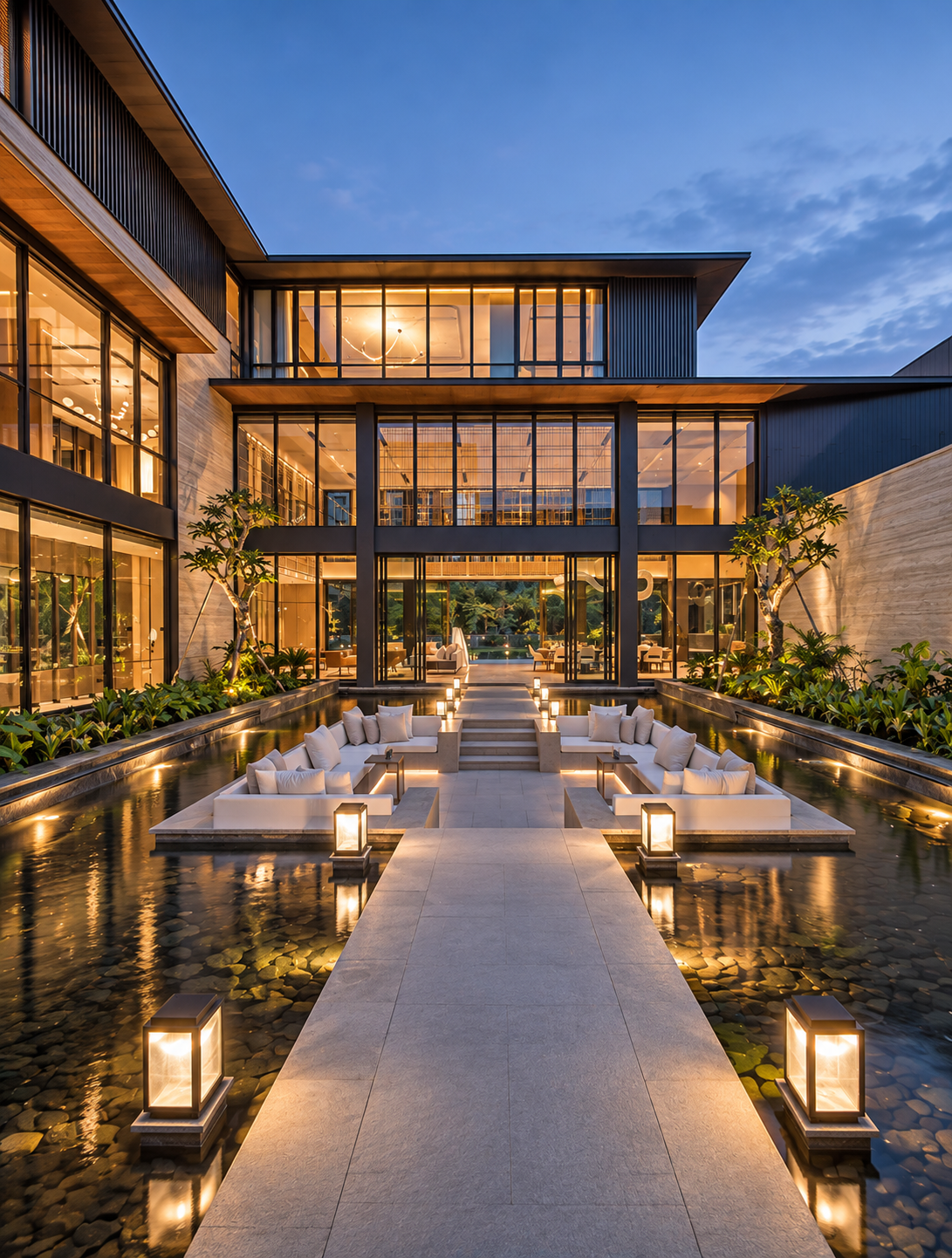
Conclusion
Architecture gives form to ideas. Photography gives those forms a way to be seen, understood, and remembered.
Through thoughtful observation and visual storytelling, architectural photography becomes more than a means of documenting buildings. It reveals the relationships between form, material, light, and space, allowing the character and intention of a design to be experienced through imagery.
At PROPORSIO, we believe every architectural project has a distinct visual identity worth exploring. Our approach is to translate these identities into meaningful photographs that communicate not only how a space looks, but also the ideas and experiences behind it.
Ultimately, architectural photography creates a lasting connection between design and perception — preserving the stories that exist within every space.